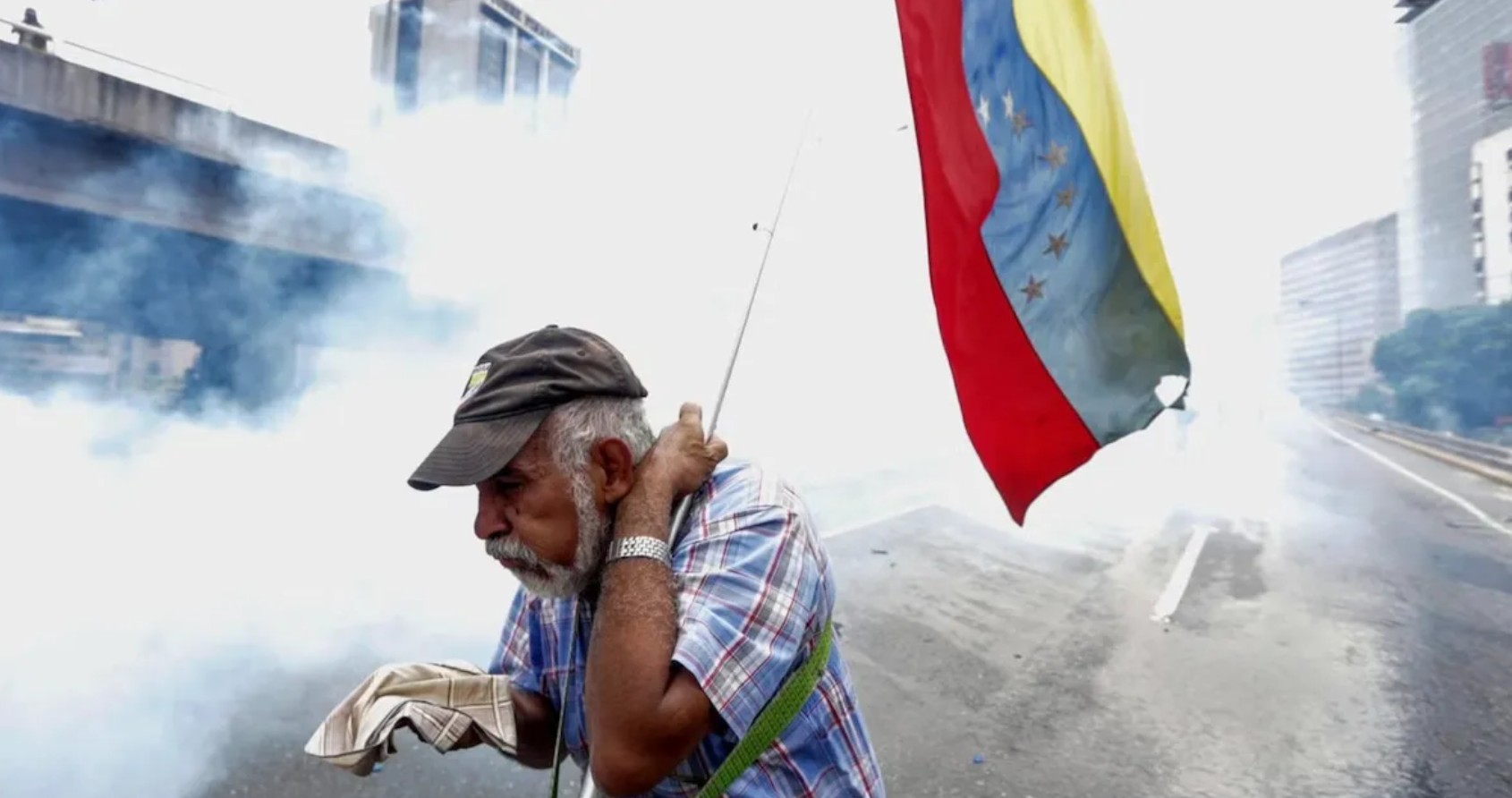
This essay is part one of a series seeking to deconstruct Venezuela’s complex history after Trump’s removal of Maduro.
First, allow me to thank you. President Donald Trump’s recent actions in the Caribbean, which led to the arrest of Nicolás Maduro, made nearly all Venezuelans uncomprehendingly happy.
Uncomprehending being the operative word because it’s difficult to understand or explain why we celebrated our country being bombed.
Venezuela shall be “run” by the United States, according to Trump, who runs Earth’s most powerful military as commander-in-chief.
Since late August, Trump has spent hundreds of millions of U.S. taxpayer dollars to deploy military equipment valued at tens of billions of dollars to explode boats his administration alleges contained drugs, killing at least 125 people without a trial and without providing evidence.
Those efforts led to the bombing of Venezuela’s military infrastructure on Jan. 3 and the arrest of Maduro, who has ruled Venezuela since the death of Hugo Chávez in 2013.
The investment already made by the U.S. is staggering. Unprecedented, even, as Venezuela is now explicitly supervised by the Trump administration.
Though unsettling, that’s still better than Venezuela under Maduro. Nearly 8 million Venezuelans fled their home for a reason.
I’ll speak for myself and for a decent amount of Venezuelans I personally know when I say that if some mild subjugation by the U.S. leads to a democratic and vibrant Venezuela, just let me know where to sign. I’m in. It’s an improvement from the suffering forced on millions by the Maduro regime’s 12-year subjugation of the country.
Nevertheless, uncertainty creeps in. It’s been over three weeks since one of the greatest heists in history. The world witnessed the might of the U.S. military pull off an Ocean’s Eleven-style snatch-and-grab for the expressly stated purpose of regime change and oil.
Regardless of your political affiliation, it’s fair to say that the U.S. record on intervention is historically shaky.
The U.S. last century helped save the world from a murderous madman in World War II, protected South Korea from communist invasion and at least attempted to do the same in Vietnam. This century, U.S. actions in Afghanistan and Iraq led to regional chaos and a power vacuum that created ISIS. To combat the terror and destruction by ISIS, the U.S. and allies launched a new war, still not yet complete, to rid the world of a symptom born from their attempt at nation-building.
A rudimentary list of examples, but all that to say: foreign policy is complicated. The Trump administration’s current influence means Americans and Venezuelans will need to better understand one another.
While I’m puzzled by some global protests seemingly calling for the release of Maduro, I recognize Americans absolutely deserve the right to an opinion.
However, for those calling the capture of Maduro a “kidnapping,” if someone held your loved ones hostage, would you demand the release of your family’s kidnapper?
What chants would you say during an anti-government protest if your presence was met with state-sanctioned violent aggression in which you, your family and your friends are threatened, imprisoned and killed for exercising your civil right to assembly?
For how long would you resist if it were a matter of life and death?
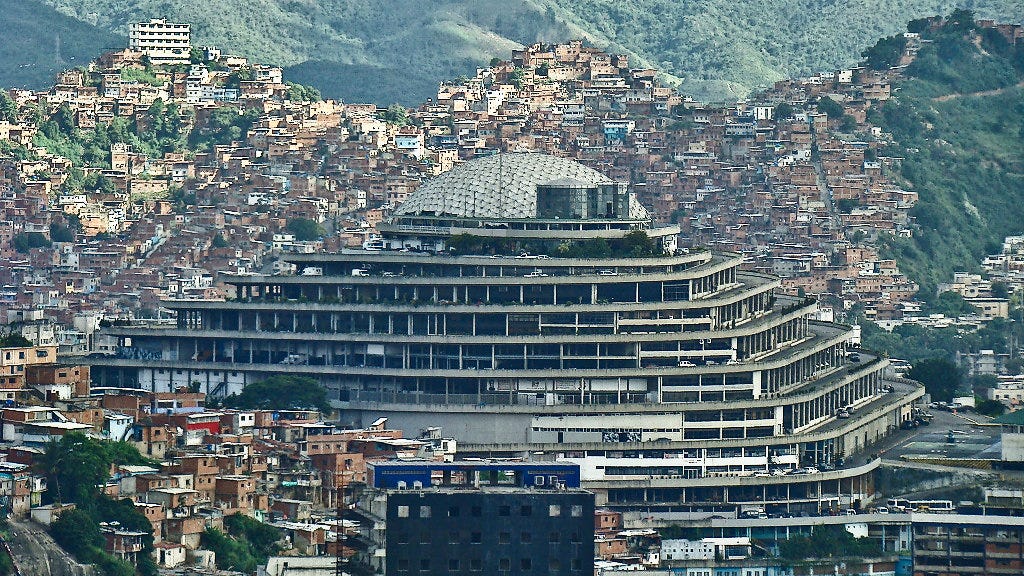
That is simply reality for many Venezuelans. Despite the danger of systemic repression, Venezuelans have continually fought back. The country has recorded nearly 20,000 political prisoners since Maduro took power for a reason.
Venezuelans have been arbitrarily detained, with students, journalists and politicians often directly targeted. But anyone could be in the regime’s sights. Many are victims of torture and sexual violence.
For context, Venezuela had nearly 900 political prisoners behind bars on Dec. 29, according to the Foro Penal non-governmental organization. That represented a Venezuelan per capita political prisoner rate at least two times higher than that of Russia.
Maduro’s removal answers a long-held wish by Venezuelans, but it’s come with a list of conditions. One of the most difficult: having to accept that the same regime that enabled and empowered Maduro remains in control.
‘Open Letter’ series: Read Part Two | Three | Four | Five | Six